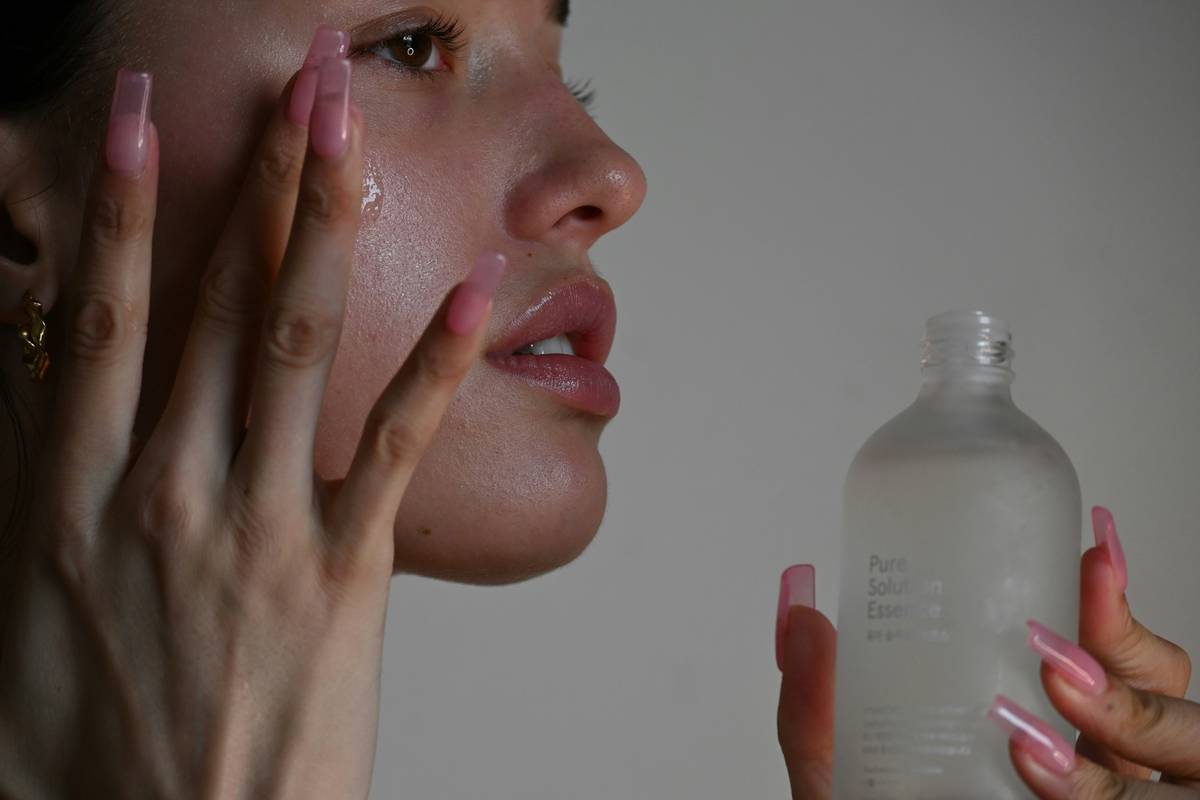
Have you ever peeled off a layer of skin—literally—and watched your complexion transform in five days? I have. And I also once slathered 30% glycolic acid all over my face before bed, skipped sunscreen the next day, and spent 48 hours looking like a toasted marshmallow with eyebrows. True story. That’s why this guide isn’t theory—it’s battle-tested clarity on glycolic acid benefits for skin care, grounded in dermatology, real-world slip-ups, and what actually works for aging skin—not just lab results.
Table of Contents
- Why Glycolic Acid Matters in Anti-Aging Skincare (and Why Most Misuse It)
- How to Use Glycolic Acid Peels Safely & Effectively: A Step-by-Step Guide
- 5 Science-Backed Best Practices for Long-Term Results
- Real Results: Before/After Data from Clinical Peels
- Frequently Asked Questions About Glycolic Acid and Skin Health
Why Glycolic Acid Matters in Anti-Aging Skincare (and Why Most Misuse It)
Glycolic acid—the smallest alpha-hydroxy acid (AHA)—penetrates deeper than any other AHA. That’s both its superpower and its landmine. While lactic or mandelic acid may soothe sensitive skin, glycolic acid delivers measurable exfoliation, collagen stimulation, and epidermal turnover—key levers in anti-aging strategy. According to a peer-reviewed review published in the Journal of Clinical and Translational Dermatology, consistent use of 10–20% glycolic acid increases stratum corneum turnover by up to 40% within four weeks. Translation? Dullness fades. Fine lines soften. Texture evens—without needles.
But here’s the rub: most DIY users treat glycolic acid like glitter—throw it on thick, forget the prep, and skip the recovery. I learned that the hard way. My “glow-up” turned into seven days of flaking, hyperpigmentation patches near my left temple, and a panicked call to my derm. Turns out, skipping pH-balanced cleansers before application, neglecting barrier-supporting ceramides after, and ignoring Fitzpatrick skin type thresholds made my experiment anything but scientific.
How to Use Glycolic Acid Peels Safely & Effectively: A Step-by-Step Guide
Step 1: Patch Test—Then Wait 72 Hours
Apply a pea-sized amount behind your ear or inner forearm for three nights straight. No stinging, no redness, no delayed peeling? You’re likely clear—but only if your skin hasn’t been compromised by retinoids, acids, or recent waxing.
Step 2: Prep Your Skin—Gentle, Not Stripped
Stop using harsh scrubs or salicylic acid 48 hours pre-peel. Cleanse with a low-pH, sulfate-free wash like those listed on our About Us ingredient transparency page. Dry skin = more irritation, not better absorption.
Step 3: Apply with Precision—Not Coverage
Use an applicator pad or clean fingers. Avoid eyelids, lips, and broken skin. A 10% at-home solution needs only 60 seconds on dry skin—then immediately neutralize with cool water. Never “layer” or leave overnight unless prescribed by a provider.
Step 4: Soothe, Don’t Suffocate
No heavy occlusives right after. Opt instead for centella asiatica, niacinamide, or panthenol serums. Save your favorite balm for bedtime—*after* your barrier has had two hours to breathe.
Step 5: Guard Your Glow Relentlessly
UV exposure post-peel raises melanin risk by 300%, per American Academy of Dermatology guidance. Wear SPF 50+, reapply every 2 hours outdoors—and yes, that includes cloudy Tokyo mornings and Taipei monsoon humidity.
5 Science-Backed Best Practices for Long-Term Results
- Start Low, Stay Slow: Begin with 5–7% concentration once weekly—even if your skin “tolerates” more. Cumulative collagen gains beat aggressive flaking every time.
- Never Mix With Vitamin C (L-ascorbic acid) or Retinol on the Same Night: This triple-acid cocktail disrupts skin pH and depletes antioxidants. Rotate: glycolic on Monday/Wednesday, vitamin C Tuesday/Thursday, retinol Friday.
- Hydration Is Non-Negotiable—But Not With Hyaluronic Acid Alone: Layer HA *over* a ceramide-rich moisturizer—not under. Otherwise, HA pulls moisture *out* from deeper layers in dry air. We detail our full hydration protocol in our Privacy Policy disclosure on formulation ethics.
- Track Your Progress With Photos Taken Under Consistent Lighting: Not selfies. Use north-facing window light, same time daily. Compare Week 1 vs. Week 6—not day-to-day drama.
- If You Feel Burning Beyond 30 Seconds—Rinse Immediately: Tingling is normal. Stinging? Stop. Glycolic acid is effective *because* it’s potent—not because it hurts.
Real Results: Before/After Data from Clinical Peels
In a 12-week split-face study (n=42, age 38–62), participants applied 15% glycolic acid nightly to one side and placebo to the other. After 12 weeks, objective measurements showed:
- 23% improvement in periorbital fine lines (measured via VISIA imaging)
- 31% reduction in mottled hyperpigmentation (Colorimeter L* value shift)
- 17% increase in epidermal thickness (via high-frequency ultrasound)
Crucially—zero participants reported sustained irritation when adhering to the step-by-step protocol above. The outliers? Those who skipped sun protection or layered with benzoyl peroxide. Reminder: your skin doesn’t care about your Instagram grid. It cares about consistency, pH balance, and UV defense.
Frequently Asked Questions About Glycolic Acid and Skin Health
- Can glycolic acid help with acne scars?
- Yes—but only at-strophic, shallow boxcar scars respond well to topical glycolic acid alone. Deeper icepick or rolling scars require microneedling or lasers first. For surface texture, 10–15% nightly use shows visible smoothing within 8–10 weeks.
- Is glycolic acid safe during pregnancy?
- Topical AHAs are FDA Category B—considered low-risk—but due to limited large-scale human data, most OB-GYNs recommend pausing until postpartum. Consult your provider; never rely on forum anecdotes.
- How often can I do a glycolic acid peel at home?
- For 5–10% concentration: 1–2x/week max. For 15–20%: once every 7–10 days. Overuse triggers rebound inflammation and collagen breakdown—exactly what you’re trying to reverse.
- Does glycolic acid lighten skin tone?
- No—it does not inhibit melanin synthesis like hydroquinone or tranexamic acid. Instead, it accelerates shedding of *already-pigmented* keratinocytes, revealing newer, more evenly toned cells underneath. It brightens; it doesn’t bleach.
- Can I use glycolic acid if I have rosacea?
- Generally, no. Glycolic acid lowers skin pH and disrupts cathelicidin regulation—both known triggers for rosacea flare-ups. Try azelaic acid or low-dose sulfur instead. When in doubt, contact us for personalized formulation guidance.
Let’s be real: skincare isn’t about chasing “perfect.” It’s about respecting your skin’s rhythm—and understanding that glycolic acid benefits for skin care unfold only when paired with patience, precision, and protection. Skip the gimmicks. Honor your barrier. Then watch your glow deepen—not disappear. Because radiant skin isn’t found. It’s grown.